Content
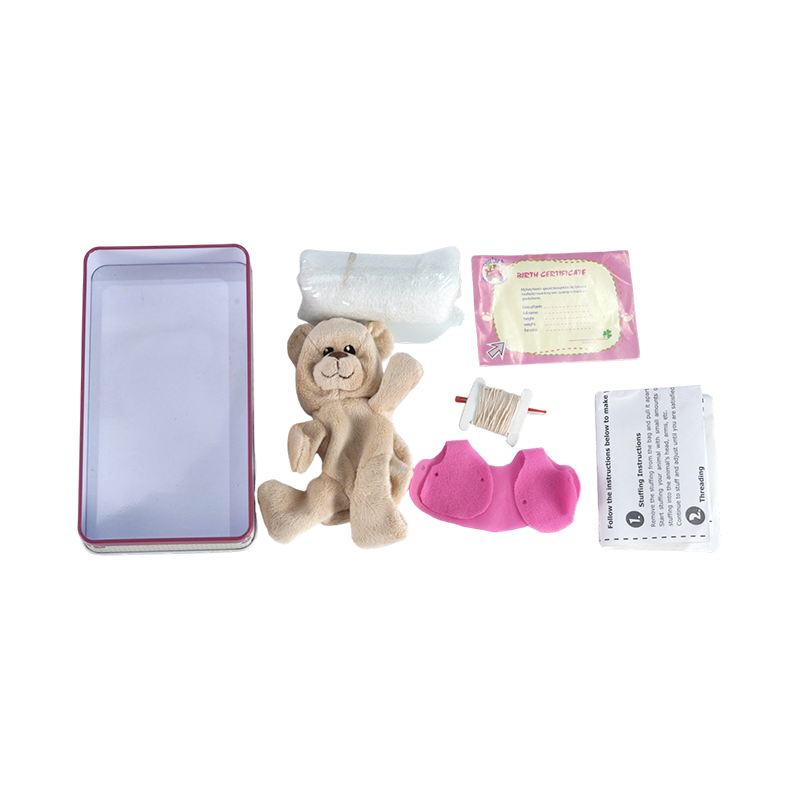
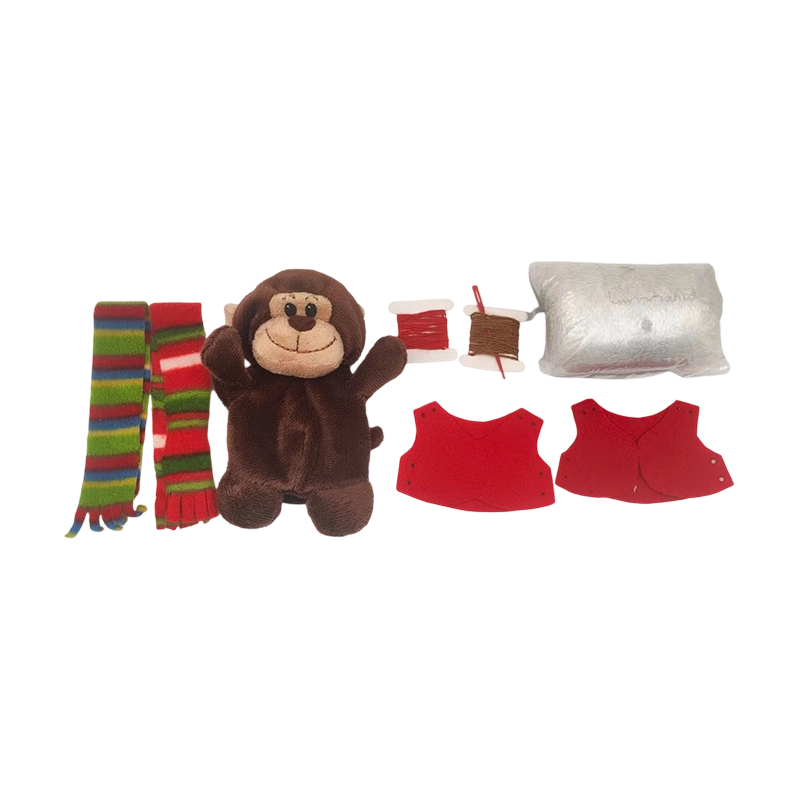
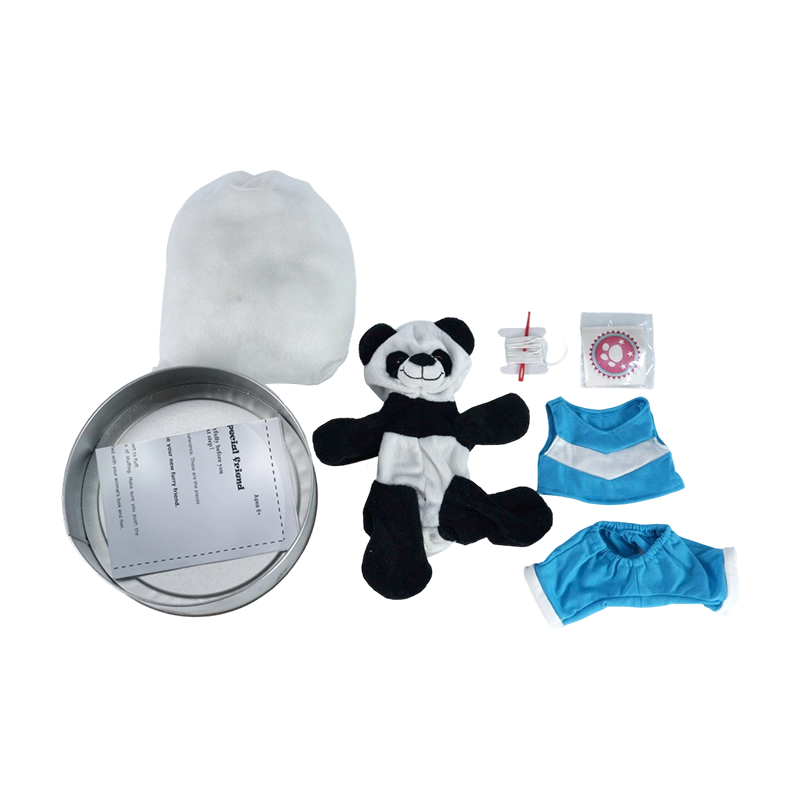
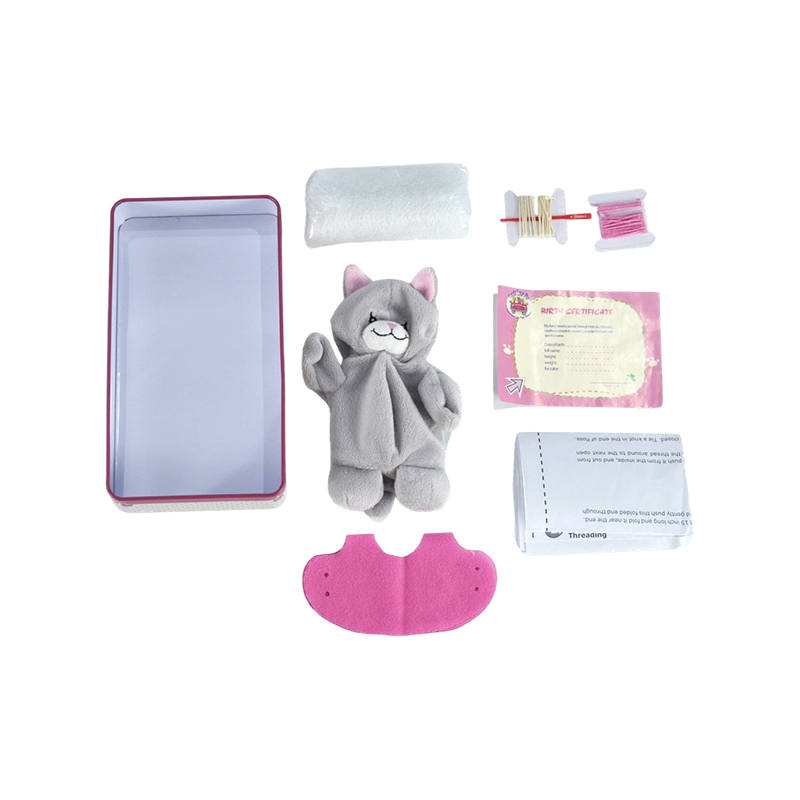
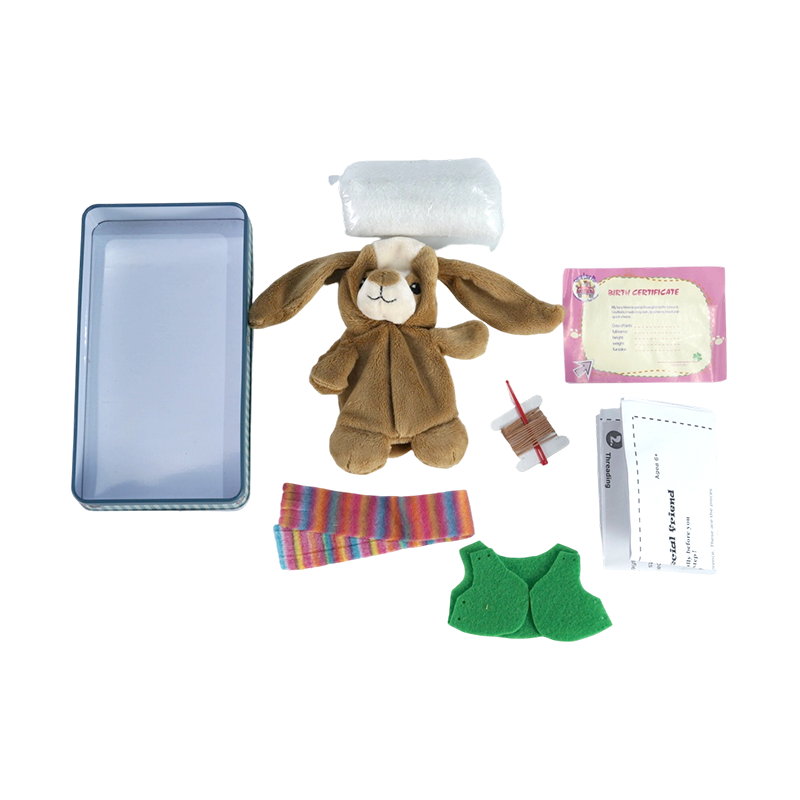
A buyer's first sample of a girls DIY stuffed animal kit usually exposes the real cost: not the plush shell, but the outfit, the instructions, the stuffing control, and the retail packaging. The practical conclusion is simple. Treat the kit as a small manufacturing system, not as a toy plus a bag of filling. The factory must be able to match the age grade, control fill weight, secure small accessories, print clear instructions, and repeat the same color and trim across production runs. For brands, importers, and retailers, that is the difference between a charming concept and a shippable program.
Start with the answer: a girls kit is specified by the child's age, the assembly steps, and the amount of adult help expected. A kit for a six-year-old and a kit for a ten-year-old may look similar on the shelf, but they need different closures, instruction clarity, and small-part controls. The factory should receive a written spec that fixes the shell size, fabric composition, pile height, fill weight, closure method, accessory attachment, and packaging format. Girls' kits often add value through outfits, dresses, hair details, or color-coordinated accessories; those extras also add cost and risk. If the dress uses snaps, ribbons, or beads, the buyer should decide whether they are decorative, removable, or play-functional, because that choice affects testing and reorder consistency.
Use the table below as a pre-sampling checklist. The goal is not to over-specify every stitch, but to remove the ambiguities that cause sample revisions and margin loss.
| Component | What to lock in | Why it matters |
|---|---|---|
| Plush shell | Finished size, fabric, pile direction, seam allowance, closure type | Controls hand feel, sewing time, and how consistently the kit stuffs |
| Filling | Fiber specification, weight per kit, tolerance, bag or loose fill | Affects shape, softness, cost, and the child's stuffing experience |
| Outfit or dress | Pattern, trim, attachment method, removable or fixed | Drives small-parts review, sewing complexity, and visual appeal |
| Tools | Plastic needle, threader, comb, stickers, or none | Changes age grading, instruction steps, and packaging dimensions |
| Instructions | Language, illustrations, warnings, contents list, adult-supervision note | Reduces support requests and helps align retail claims with the product |
Range planning is easier when each kit has a clear play pattern. Outfit-led kits suit gift aisles; dress-decoration kits appeal to crafters who want a second activity; character-led kits work well for birthday and themed assortments. The three girls kits below show how a factory range can stay coherent without becoming repetitive.
A white bear with a separate outfit gives the child a dressing activity after stuffing. The buyer should confirm whether the outfit is pre-packed on the bear or bagged separately, because that changes the unboxing experience and the small-parts assessment.
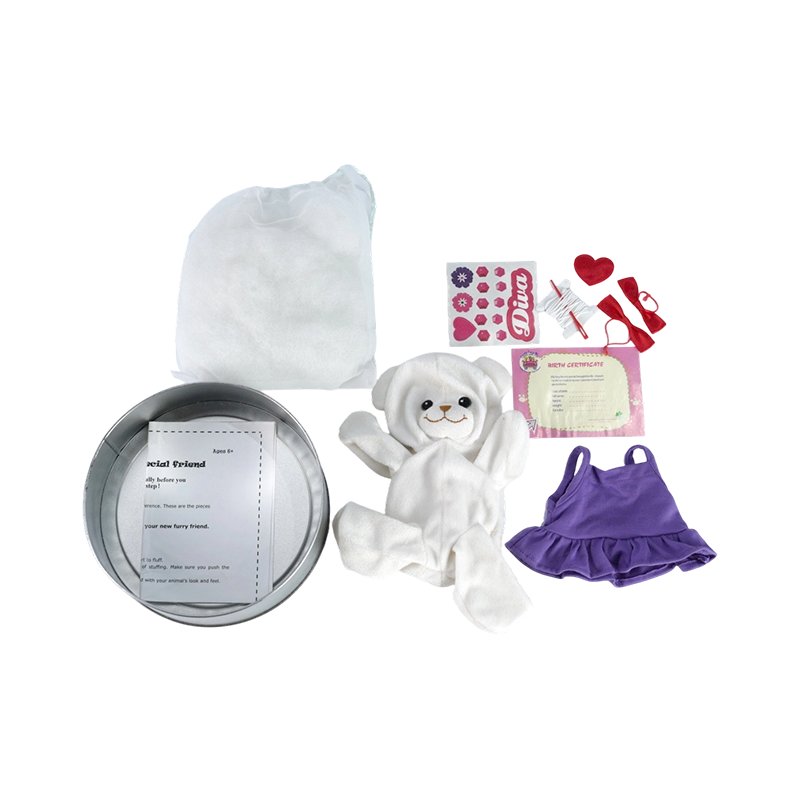 Fashion White Bear DIY Plush Kit with Purple DressA milk-white bear shell, purple vest dress, butterfly hair clips, stickers, and birth card support dressing play and gift-ready crafting.View Product →
A pink bear with dress decorations moves the kit closer to fashion craft. Specify decoration attachment and spare quantities before production, otherwise a missing bow can turn a sellable kit into a customer service issue.
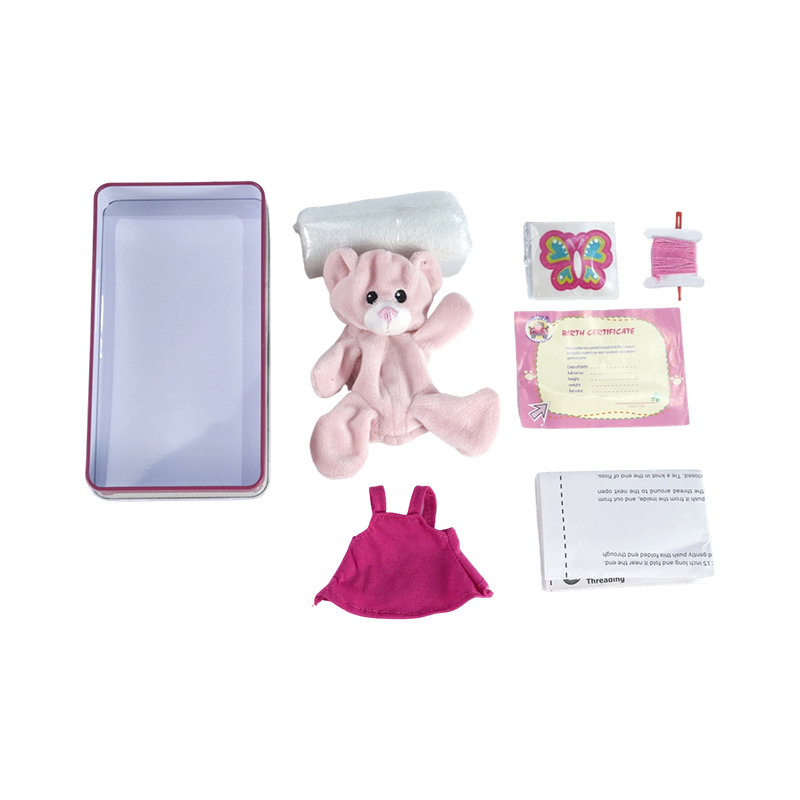 Pink Plush Bear DIY Craft Kit with Dress and DecorationsA pink bear shell, peach-pink pinafore, butterfly appliqués, stuffing, and cards make a complete dress-up craft gift for children.View Product →
A princess bunny with a purple dress gives the range a character anchor. For this type, agree the dress pattern, trim color, and plush pile direction early, since those are the details buyers notice in product photos.
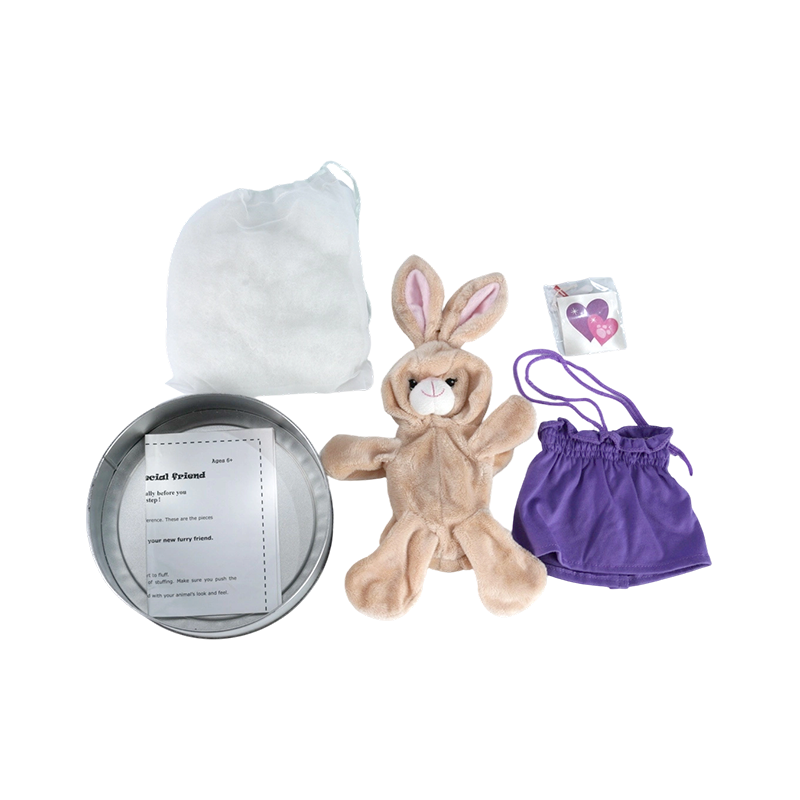 Princess Bunny DIY Plush Kit with Purple Dress and TinA honey-colored bunny, purple pinafore, rose-red appliqués, and reusable tin support sewing, dressing, and naming a handmade toy.View Product →
Safety is a design input, not a final inspection. Before a sample is approved, the factory and buyer should agree the age grade, small-parts risk, seam strength, filling cleanliness, and labeling. If the kit includes a plastic needle, comb, or removable outfit, each item needs its own risk review. Ask for test reports that match the exact materials, colors, and construction, not a generic certificate from another program. EN71, ASTM F963, and ISO 8124 are common reference frameworks, but the applicable version and market still need to be confirmed. A useful next step is to review current EU toy safety expectations before locking packaging claims.
MOQ is usually driven by fabric dye lots, custom boxes, and accessory sets. A kit with a special dress, printed instructions, and a retail-ready box will carry a higher minimum than a simple plush shell with stock packaging. The main cost drivers are fabric, fill weight, outfit complexity, embroidery or printing, hand sewing, testing, and packaging. Agree tolerances in measurable terms, such as fill weight within a stated percentage, seam allowance within a stated millimeter range, and color approval under defined lighting. A factory with 23+ years in plush, 200+ staff, and 1.5 million sets annual capacity can support repeat programs, but capacity only helps if the spec is stable. Changes after production starts are where schedules and margins are lost.
Retail packaging should explain the activity in seconds: what the child makes, what is included, and how much adult help is expected. For girls kits, the front panel often needs to show the finished plush and the outfit together, while the back panel carries the steps, contents list, warnings, and batch information. Do not let age grading drift between the box, the instruction sheet, and the online listing. If the kit is sold in Europe, the importer and manufacturer should agree language versions, responsible-person details, and warnings before artwork approval. A pre-production packaging sample is worth the time, especially when the kit contains bagged accessories or a dress that changes the pack dimensions.
Ask for evidence rather than adjectives. A suitable factory should show comparable kits, explain which steps are in-house, and identify where accessories or printing are sourced. Use this sequence:
For a deeper process view, read this DIY plush toy kit manufacturing guide. The best factory is not the one that says yes fastest; it is the one that can repeat the approved kit without surprises.
It depends on fabric, outfit, and packaging customization. Stock fabrics and stock boxes reduce the minimum; custom dye lots, printed boxes, and unique accessories raise it. Ask for a quote at two or three quantities so the step-up is visible.
Yes, but specify the attachment method, trim safety, and whether the outfit is removable. The factory should confirm pattern feasibility and testing implications before sampling.
That depends on the complexity of the plush, outfit, and packaging. A clear technical pack and a single round of consolidated comments usually shorten the process more than rushing the first sample.
Step order, illustrations, contents list, age grade, adult-supervision note, and market-specific warnings. Keep the instruction sheet aligned with the packaging and online listing.
Send the factory a complete brief before asking for a price: age grade, finished size, fabric, fill weight, outfit details, accessory list, packaging format, target market, and expected order quantity. That package lets a girls DIY stuffed animal kit factory quote against the real product, not a guess. It also gives you a cleaner path from sample approval to repeat production.
Address
Your project will meet a
right solution with Golden Sun



 English
 日本語
 Français
 русский
 Español