Content
The best kids backpack for children is not the one with the loudest character print. It is the one that fits the child's back, opens without a struggle, survives a lunchbox leak, and still looks presentable after a term of daily use.
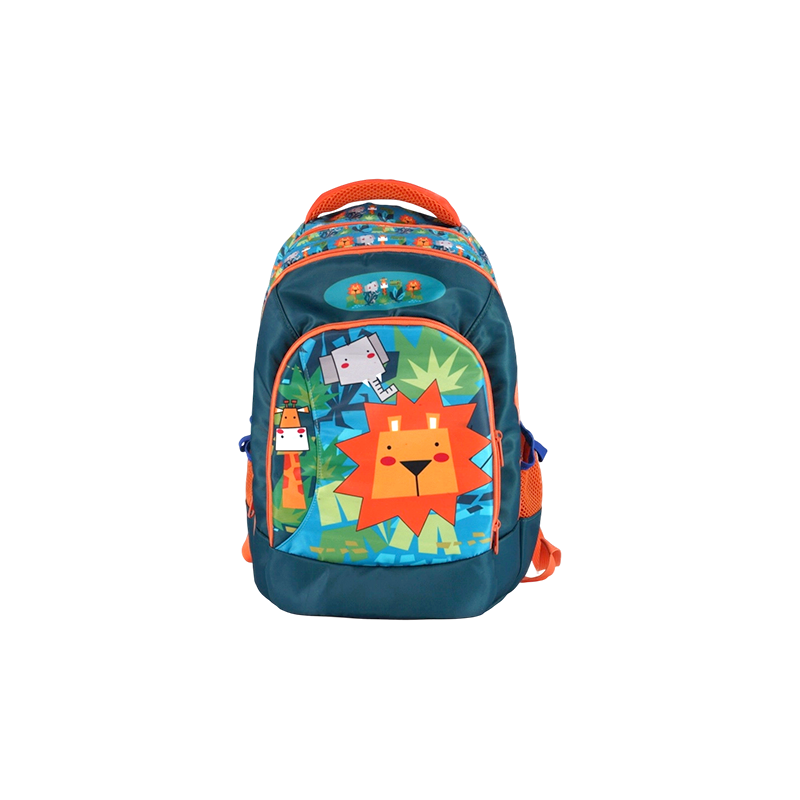
That sounds obvious until samples are compared side by side. A four-year-old may only carry a water bottle and a spare jumper, while a seven-year-old is already managing homework, a raincoat, and a lunch bag. A bag that works for one child can be too long in the back, too stiff at the opening, or too heavy before anything is packed. For brands and retailers, those details become specification points. For parents, they are the difference between a bag that gets used and one that stays in the hall. A broad kids bags collection usually solves the range question first: backpack, lunch bag, pencil pouch, and travel bag should share a clear size and fabric logic, not just a matching print.
Before choosing fabric or artwork, define three things: who carries the bag, what goes inside, and who opens it. This keeps the brief honest and prevents a fashion-led sample from becoming an impractical daily product.
The practical conclusion is simple: define one primary use case and one secondary use case. Bags designed for everything tend to compromise on fit, weight, or access. A clear use case also helps the factory recommend the right lining, strap width, and opening style instead of guessing from a mood board.
A cute bag that slides off the shoulders or hangs below the lower back will not be comfortable for long. Fit should be checked before color approval, because changing strap length or back panel shape later can affect pattern placement and cost.
During sample review, fill the bag to roughly 70 to 80 percent of its intended load. Check strap length, seam placement, and panel alignment against agreed tolerances. Do not leave these as "as sample" without a written range. If the bag slips, twists, or sits too low, no print or plush detail will fix the fit.
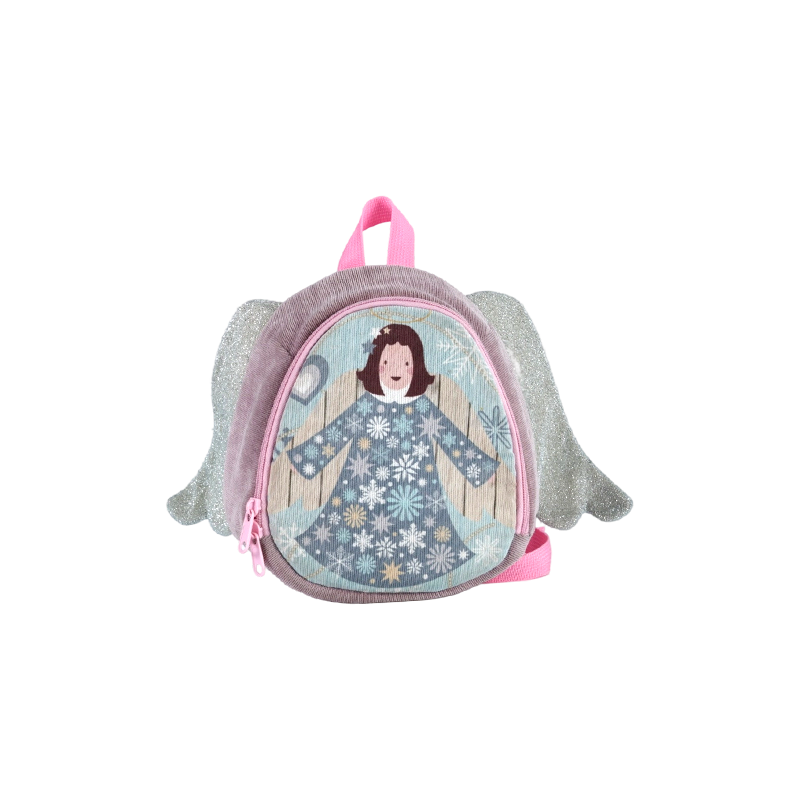
Fabric is often chosen for appearance, but it also sets the cleaning routine, the bag's structure, and the likely complaint rate. Plush fabric feels soft and giftable. Oxford fabric offers a more familiar school-bag look and easier wiping. Neoprene adds a molded, playful shape but needs careful seam finishing. Corduroy gives a warm texture, though pile direction and shading can vary across panels.
| Fabric | Best for | Cleaning and wear | Main sourcing risk |
|---|---|---|---|
| Plush fabric | Toddler bags, character-led designs, gift appeal | Spot clean; pile can mat or pill with heavy rubbing | Shading, pile direction, and color matching across panels |
| Oxford fabric | School bags, travel bags, everyday use | Wipe clean; woven surface resists light dirt | Print registration and seam puckering on structured shapes |
| Neoprene | Molded shapes, crossbody bags, playful mini bags | Wipe clean; edges and seams need neat finishing | Thickness consistency and compression marks |
| Corduroy | Seasonal designs, textured character bags | Spot clean; pile can flatten with use | Shade variation and visible needle marks |
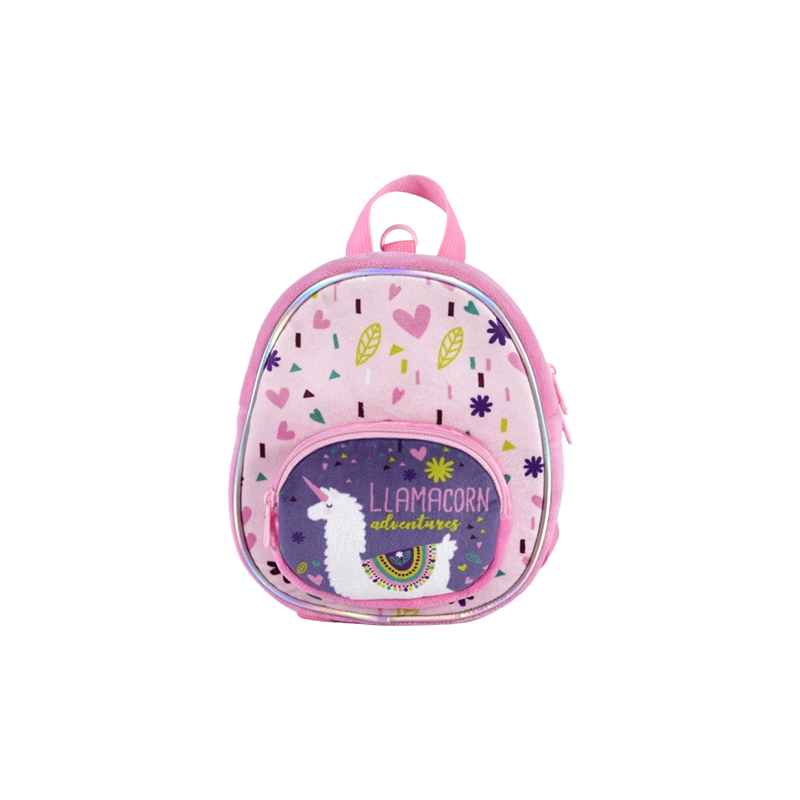
For example, a soft character bag works for light loads and short trips, but it should not be specified like a school book bag. A plush fabric sample such as the alpaca print style shows where softness and shape control need to be checked together.
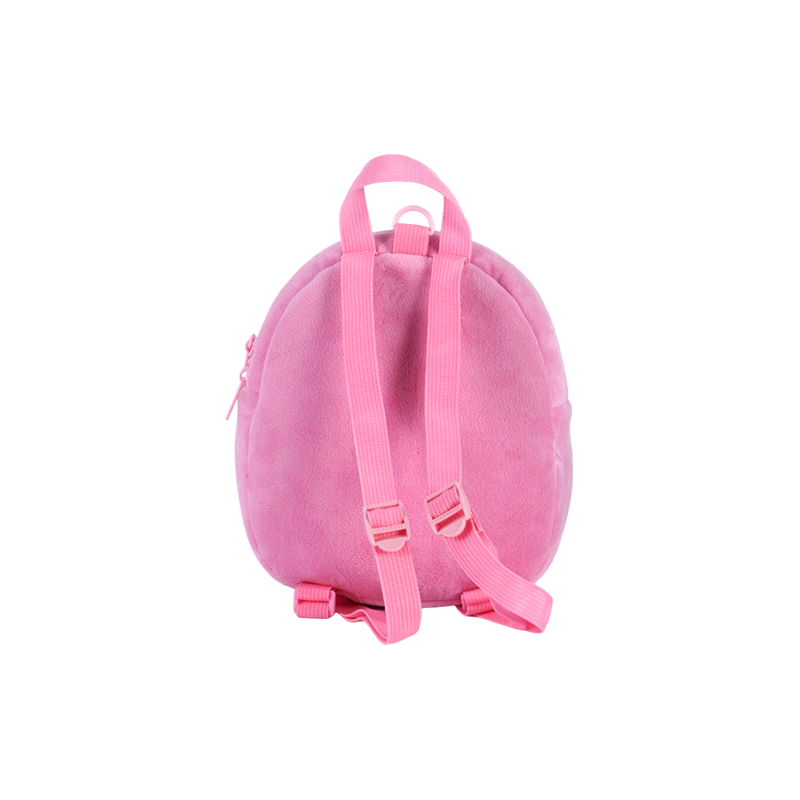 Alpaca Print Kids Plush Backpack for Ages 3–7A soft alpaca-print plush backpack with adjustable straps and CE/EN71/ASTM certification, suited to light kindergarten use, outings, or gifting for ages 3–7.View Product →
The purchase decision follows the use case. If the bag must survive daily school use, choose a fabric and lining that can be wiped and that holds its shape when loaded. If the bag is primarily a gift or toddler accessory, softness and character appeal may carry more weight, but seam strength and filling containment still need review.
Most returns do not come from the print. They come from small construction decisions that only appear after repeated use. A bag can pass a visual check and still fail because a zipper pull is too small, a strap edge is too sharp, or the lining catches every time the bag is opened.
A simple approval test is to load, zip, carry, drop, and wipe the sample. Then inspect the seams, lining, and hardware. If the bag looks tired after that short routine, it will look worse after a month of real use.
For children's bags, safety is not only a label attached at the end. It is a set of decisions about small parts, cords, straps, accessible filling, and age grading. The buyer should confirm which rules apply in the target market and ask for current test reports that match the actual materials and construction, not a generic file from another product.
Practical review points include zipper pulls that cannot break into small pieces, cords and straps that do not create a strangulation risk, and hardware with no sharp edges. For plush and padded bags, check seam strength and filling containment. Packaging, hangtags, and warnings also belong in the approval file.
A manufacturer with a Toy Safety and Certification process should be able to explain how those checks apply to the specific bag. If the answer is only "we have certificates," ask for the product name, material list, test date, and market coverage. This is especially important when a plush backpack sits between a toy and a bag category.
Adults tend to handle samples gently. Children do not. A useful sample review puts weight in the bag, lets a child open and close it, and checks how it behaves when it is put on and taken off in a hurry.
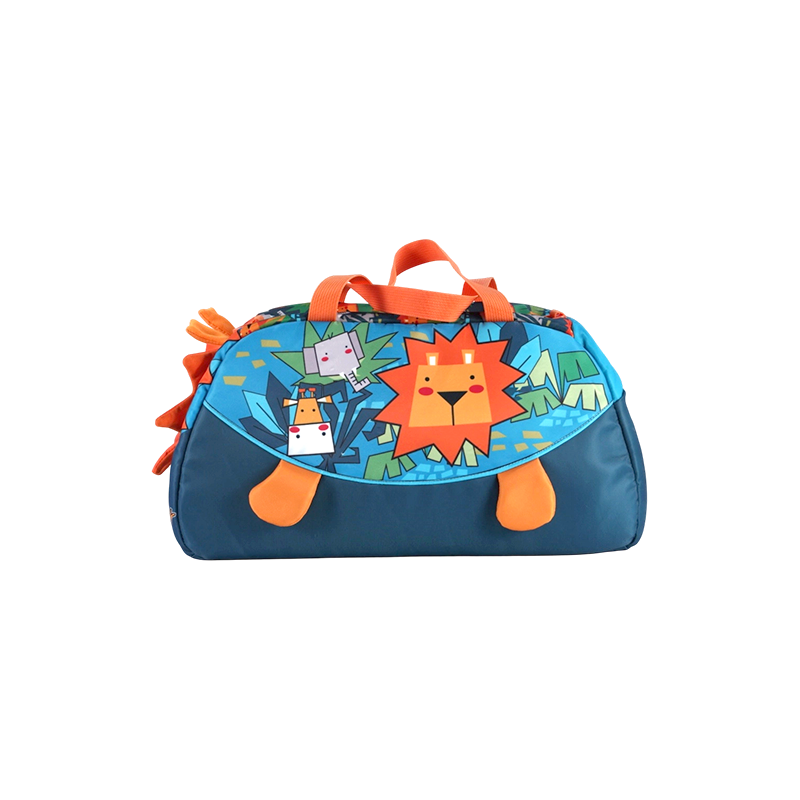
For toddler ranges, a shaped 2-in-1 bag can reduce the number of loose items a family has to carry. The lion 2-in-1 style below is the kind of sample to test for balance and access. For a slightly older child or a school-focused set, a more structured Oxford option with a detachable bottle bag may be the better platform.
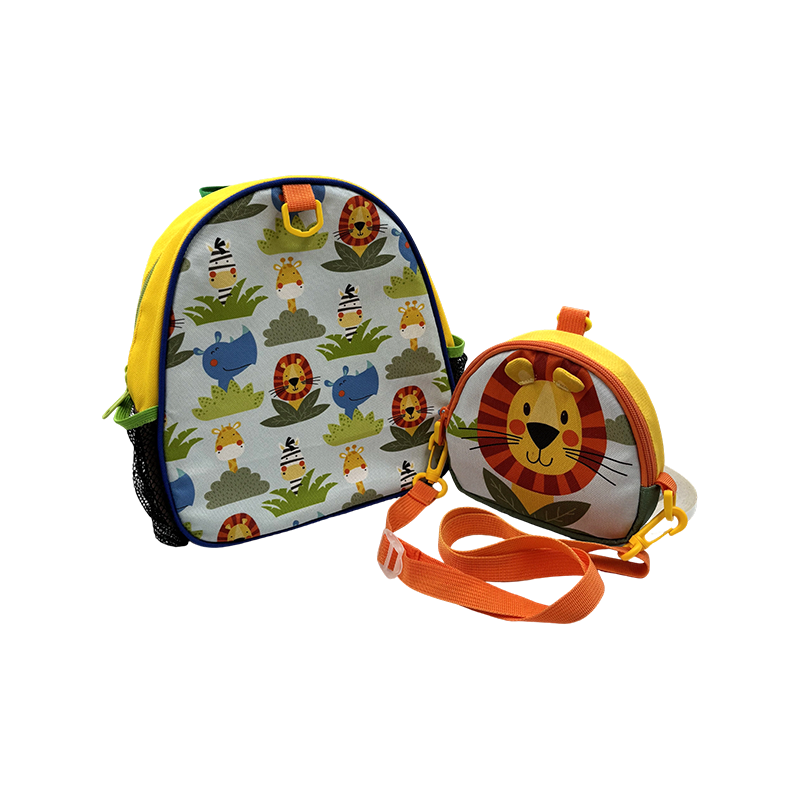 Cute Lion 2-in-1 Toddler Backpack with Detachable PouchA shaped lion toddler backpack with detachable 3D pouch, padded straps, and waterproof Oxford fabric, suited to kindergarten outings and easy-access daily use.View Product →
Compare the two approaches before choosing one platform for a whole range. A toddler bag and a school bag may share artwork, but they should not share the same back panel, strap length, or opening size unless the target age is genuinely the same.
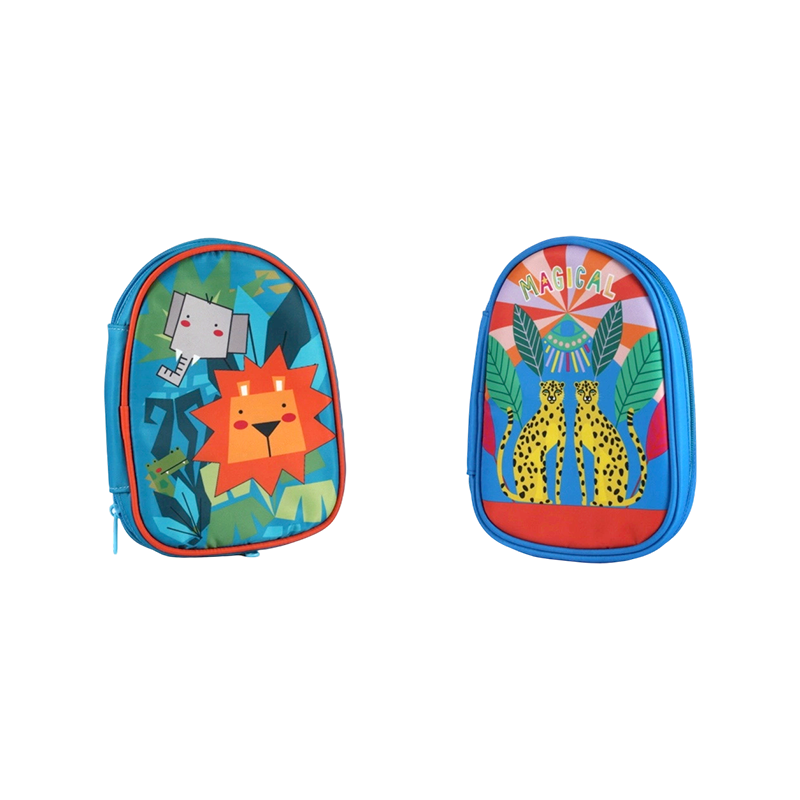
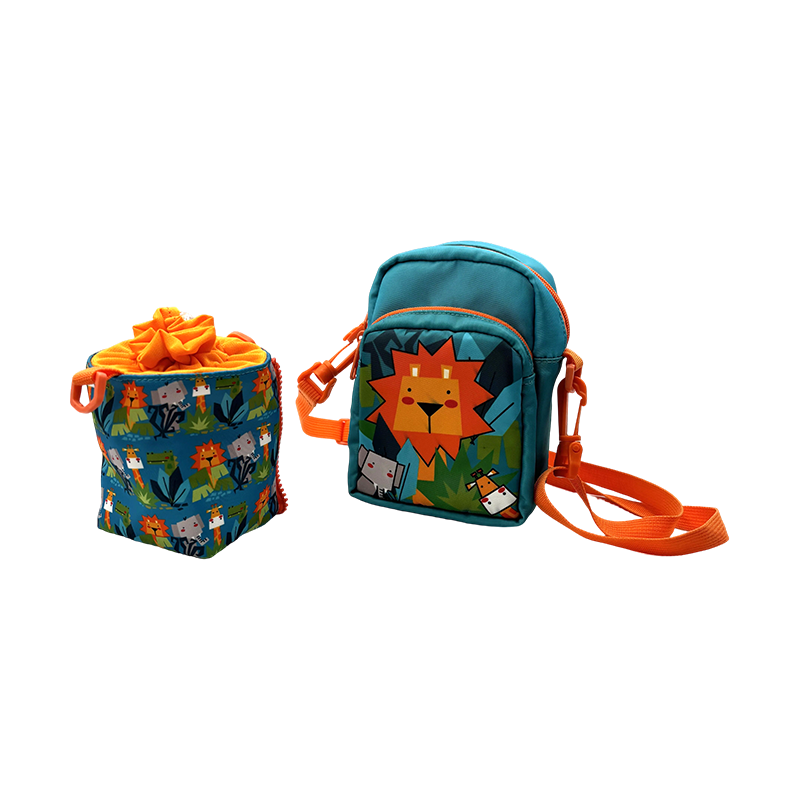 Oxford 2-in-1 Kids Backpack Set with Detachable Bottle BagA structured Oxford carry set with detachable drawstring bottle pouch, adjustable wide strap, and CE/EN71/ASTM support, suited to school, park trips, and repeatable sourcing.View Product →
At sourcing stage, the goal is to turn a good sample into a repeatable product. The plush backpack category report points to cross-scenario demand, which is why one bag may need to work for nursery, travel, and gifting. That flexibility is useful, but it makes specification discipline more important.
Manufacturing capacity matters after the specification is clear. Tai Zhou Golden Sun Arts & Crafts has 23+ years of experience, a 1,825 m² factory, 200+ staff, and annual capacity of 1.5 million sets per year. That scale can support plush toys, plush backpacks, and DIY craft kits, but capacity only helps when the brief, sample, and approval file are consistent. A factory that can move from concept to sampling to production in one controlled process is usually easier to manage than one that treats each stage as a separate hand-off.
Look for a short back length, a light empty weight, and an opening a child can manage without help. The bag should sit against the upper back and not hang below the waist when adjusted. A small backpack with a wide opening is usually more practical than a large bag with many compartments.
It can be practical for toddlers, light loads, and gift-led ranges. It is less suitable for heavy books or rough daily school use unless the seams, lining, and cleaning instructions are specified carefully. Spot cleaning is usually safer than machine washing because pile and shape can change.
At least two rounds are common: one for construction and fit, and one for color, artwork, and final trim. A third round may be needed if the factory is new or the bag combines plush, molded, and woven materials. Approve a signed production sample before bulk.
Ask for current test reports, material specifications, color approval, packing artwork, and a signed sample. Confirm that the reports match the final product and the destination market. Keep the approved sample and specification sheet available for bulk inspection.
The most reliable kids backpacks for children are built around a clear use case, not a long feature list. Start with fit and access, choose fabric for the real load and cleaning routine, and put safety checks into the first brief. Whether the bag is a plush toddler companion or a structured school pack, the same rule applies: a sample should be tested the way a child will use it, and the approved details should be written down before production begins.
Address

Your project will meet a
right solution with Golden Sun



 English
 日本語
 Français
 русский
 Español