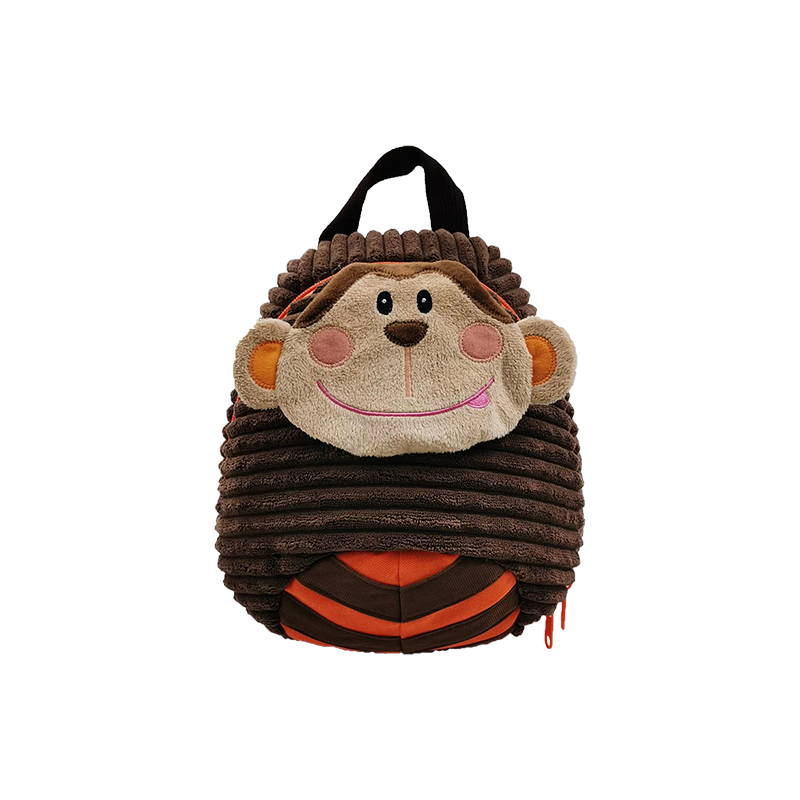
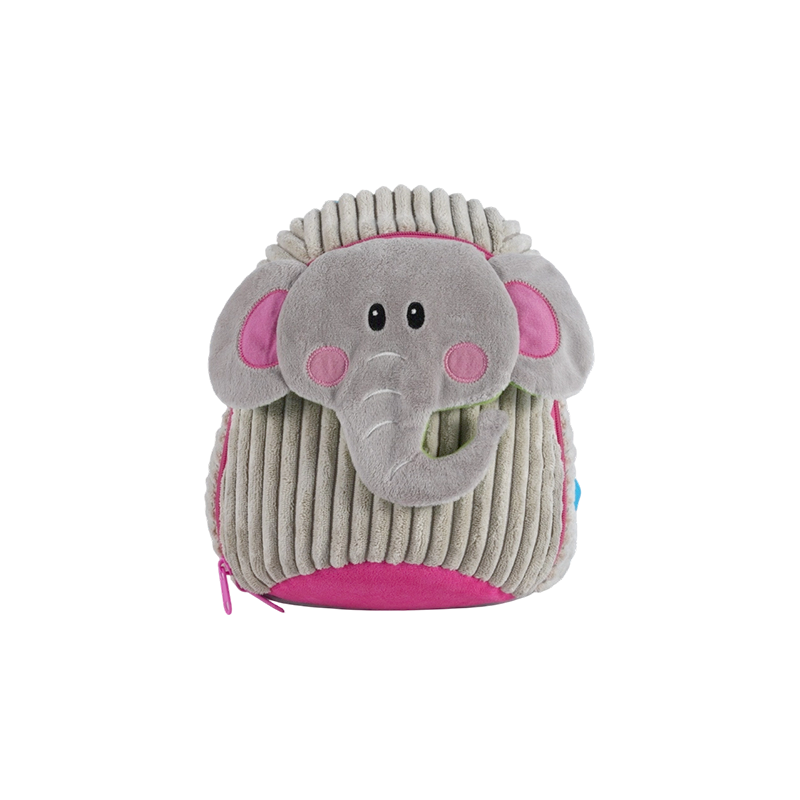
A DIY plush kit for boys succeeds or fails at the kitchen table
Put a half-built plush puppy in front of a seven-year-old and the kit's real strengths show up quickly: can they find the next step, keep the filling inside, and finish something worth keeping? A DIY plush kit for boys should survive that test before it reaches a retail shelf. The best manufacturer makes the build clear, the theme specific, and the safety file easy to verify.
The short answer is to start with the play experience, then work back to contents, age grading, customization, and production. Unit price matters, but it is a poor first filter. A cheap kit that causes frustration or returns is expensive later.
What buyers compare before choosing a manufacturer
Compare five areas before negotiating price. This table is a practical buying brief, not a replacement for a physical sample.
Five areas that separate a workable DIY plush kit from a catalogue promise.
| Decision area |
What to ask |
Why it matters |
| Play pattern |
Does the finished animal have a clear role or personality? |
Theme drives the first purchase and the review. |
| Kit completeness |
Are filling, thread, tools, trim, and spare parts all specified? |
A missing piece can turn a gift into a return. |
| Age fit |
Is the sewing method matched to the stated age and adult-help level? |
Difficulty and small parts affect safety and satisfaction. |
| Customization |
Can shape, outfit, packaging, and instruction language change? |
Differentiation is hard when only the hangtag is new. |
| Production |
How are color, trim, stuffing weight, and packing controlled? |
The approved sample must be repeatable at volume. |
A supplier may be strong on one kit and weak on another. Ask for evidence against the exact item you intend to buy.
Boy-focused does not mean blue packaging
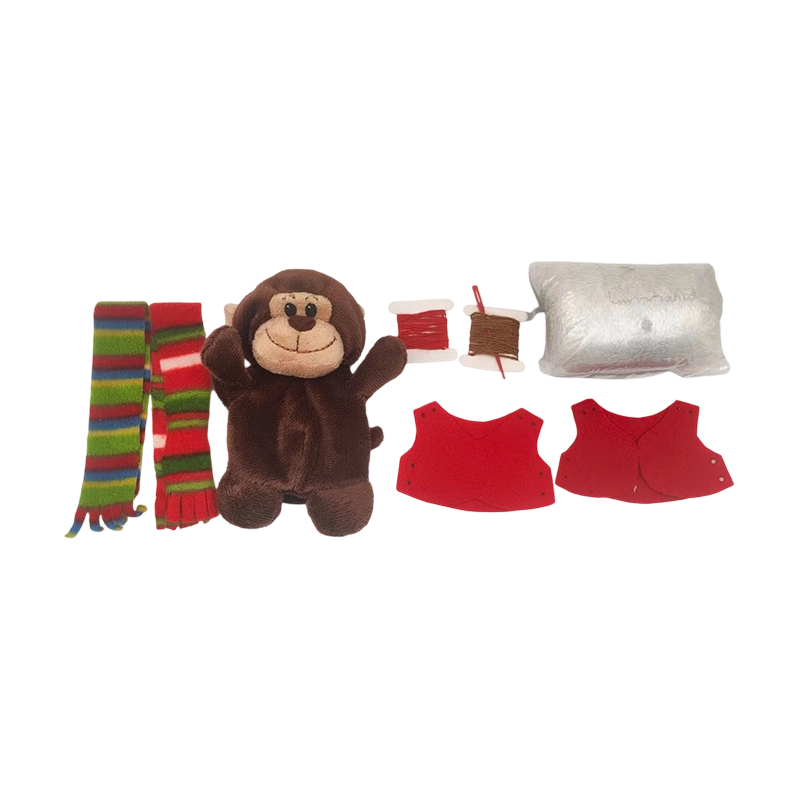
The strongest boy-targeted kits give the child a clear role: builder, collector, or storyteller. Animal choice and the finished outcome do more work than a gendered color scheme. A puppy, monkey, bear, cat, panda, or baseball-themed animal offers a recognizable starting point. A kit that produces something worth keeping also has a better chance of repeat purchase.
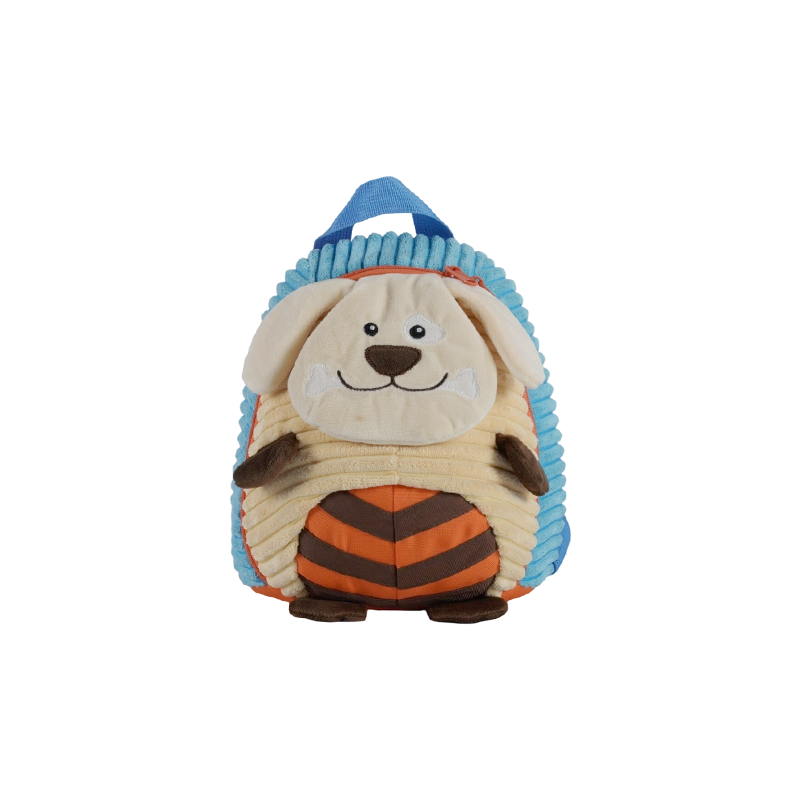
A brown long-ear puppy kit is a useful example because the theme reads immediately. The shape suggests companionship, the build has a clear outcome, and the finished toy can become a bedroom object rather than a one-afternoon craft. Buyers should still test the sample with children in the target age band; adult approval is not the same as play appeal.
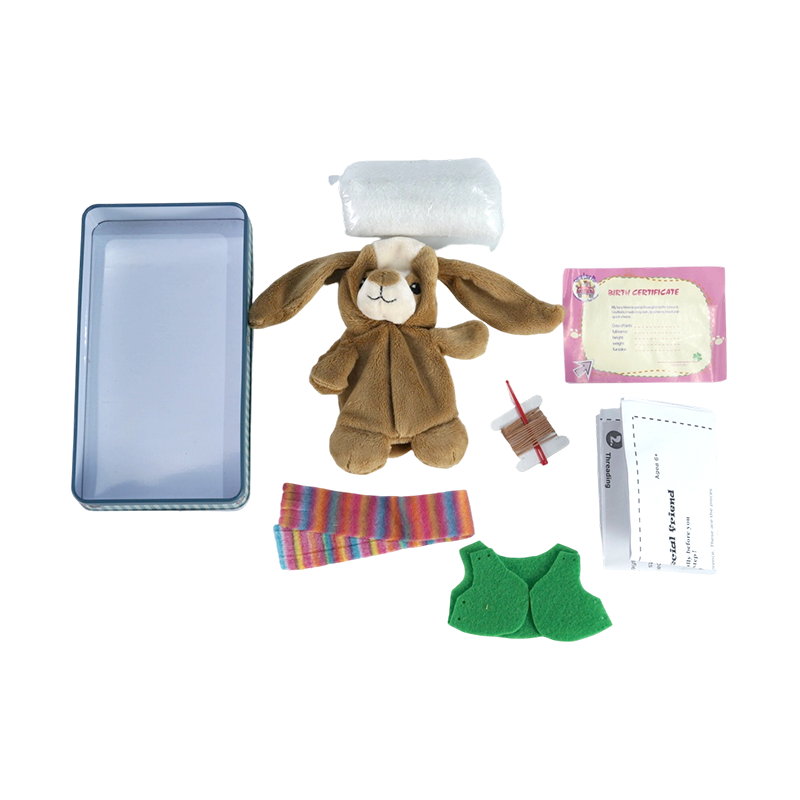 Brown Long-Ear Puppy DIY Plush Making KitDressable brown puppy sewing kit with long ears, stuffing, outfit, and birth card; useful for testing difficulty and play appeal with children.View Product →
Keep the range coherent. If very young no-sew kits and advanced stitched kits share the same shelf message, parents will misjudge the difficulty. Segment by ability first, then by theme.
The contents list is the product
A kit should be buildable without a household sewing box. Confirm every component: pre-cut fabric, filling, thread, needle type, safety eyes or embroidered features, pattern markings, and instructions. A spare thread length and a small stuffing top-up are cheap insurance against a half-finished toy.
- Instruction format: one step per panel, clear diagrams, and a final checklist. Text-only instructions age poorly across languages.
- Tool choice: plastic needles and pre-punched holes for younger makers; metal needles only where the age grading supports them.
- Closure: hook-and-loop or sewn closure? Match the method to the child's dexterity and the desired finished look.
- Small parts: buttons, eyes, and trim must suit the age claim; embroidered or heat-transferred features can remove a choking hazard.
- Fabric hand: soft pile is appealing, but shedding, stretching, and seam visibility need checking in the sample.
The sporty panda kit shows how a theme can carry energy without extra complexity. The value is not the word "sporty" on the box; it is whether the finished animal has a distinct personality and the assembly steps remain manageable.
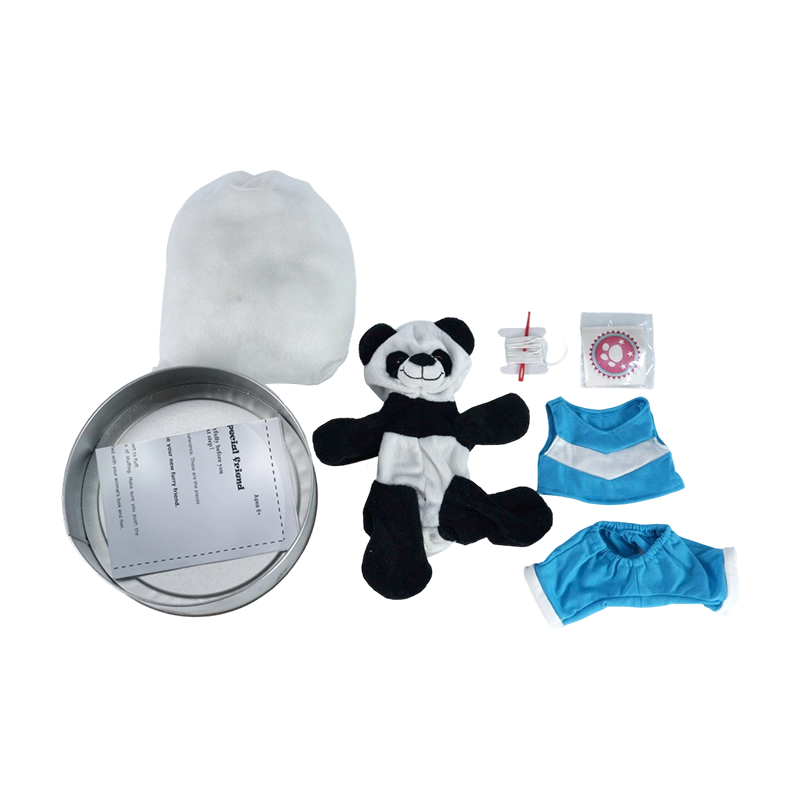 Sporty Panda DIY Plush Toy Craft KitPanda sewing kit with sportswear and transfer stickers for customizing uniforms; shows how a theme can add personality while keeping assembly manageable.View Product →
Customization should change the kit, not just the label
Many projects begin with an existing animal and a new hangtag. That can be the fastest route to market, but it rarely creates a defensible range. Better questions are: can the animal shape change, can the outfit move, can the piece count shift, and can the instructions be rewritten for the target market?
A manufacturer that combines development and production can flag problems earlier: a seam that is hard to turn, a trim that will not survive packing, or a color match that changes under retail lighting. Ask to see the sampling steps and who approves the golden sample.
The DIY plush bear making kit is a straightforward example of a core animal that can support customization through fabric, size, accessories, and packaging. A bear is familiar to first-time buyers, but the execution still needs a clear point of difference.
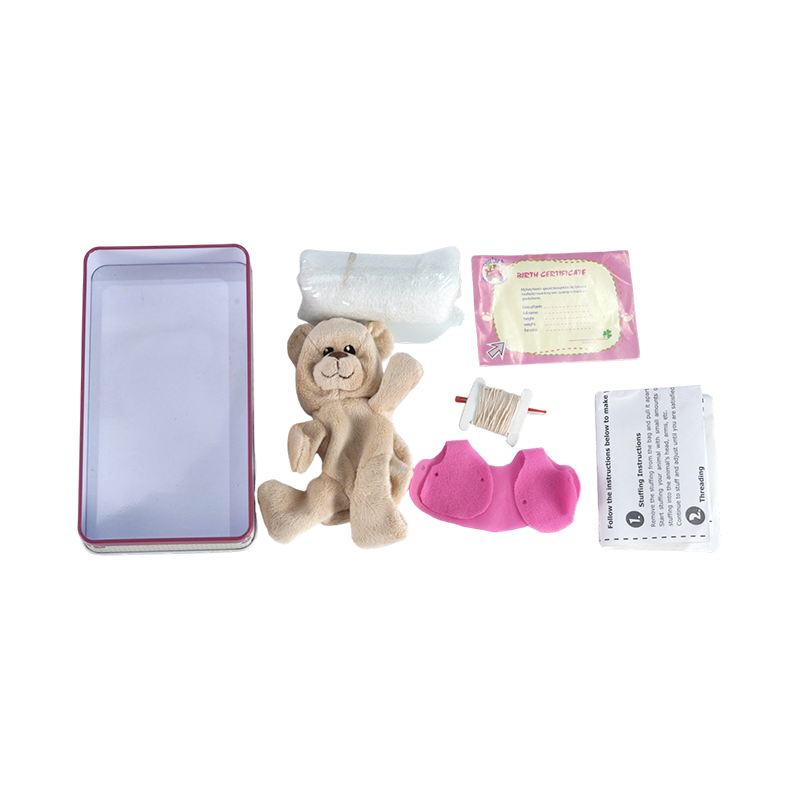 DIY Plush Bear Making Kit for ChildrenA core brown or pink bear sewing kit with stuffing, stickers, and birth card; supports customization discussions around fabric, size, accessories, and packaging.View Product →
Set a change budget before sampling. Unlimited rounds delay launch and hide cost. Agree which elements are fixed, which can change, and what evidence closes each round.
Safety files belong in the first conversation
Compliance is not a final inspection. It starts with the age grade, the design, and the materials. Ask for current test reports and a clear statement of the standards the kit is intended to meet in each destination. For Europe, that means the applicable toy safety requirements; for the US, CPSIA and ASTM F963 commonly form part of the file where they apply. Do not accept an expired certificate or a report for a different animal, size, or trim.
The practical checks are familiar: small parts, sharp points, cords and loops, filling cleanliness, flammability, colorfastness, and labeling. A boy-focused kit also needs honest instructions about adult supervision and a clear distinction between a craft kit and a toy for children under three. The warning language should match the real hazard, not a generic template.
Regulatory expectations change. Build a document checklist into the product file and revisit it at each renewal rather than treating safety as a one-time purchase.
Capacity is a retail promise, not a brochure number
A sample proves the concept; production proves the supplier. Tai Zhou Golden Sun Arts&Crafts reports more than 23 years in operation, a 1,825 m² factory, over 200 staff, and annual capacity of 1.5 million sets. Those figures are useful context for a retail program, but they should still be matched to your calendar, order mix, and packaging complexity.
Ask how the factory controls color approval, trim cards, stuffing weight, and packing ratios. Then ask what happens when a fabric lot arrives slightly different from the approved standard. A clear answer is more valuable than a promise of zero defects.
For buyers in Europe, the US, Japan, and Southeast Asia, supply reliability has another layer: document consistency across languages and markets. The same kit may need different warnings, packaging copy, and test summaries. A manufacturer experienced with those markets can reduce the back-and-forth, but the brand owner remains responsible for final claims.
For a closer look at how these programs move from sketch to bulk, this guide to DIY plush toy kit manufacturing covers the OEM workflow and sampling sequence.
FAQ for first-time buyers
What should a first sample prove?
It should prove that the kit can be assembled by a child in the target age band with the stated level of adult help. Check part count, instruction clarity, fabric behavior, and whether the finished toy matches the approved concept.
Can we adapt a boy-focused kit for a unisex range?
Yes, usually through theme, color, packaging, and copy. The important test is whether the change alters the play pattern or only the marketing. Update the safety file and instructions if components or age grading change.
How do we avoid a product that feels like a stereotype?
Start with activities and outcomes children actually enjoy, then test the sample with the target age group. Offer a range of themes across the line rather than assigning one narrow idea to boys and another to girls.
Build the sample around the child, then scale it
A DIY plush kit for boys is a small product with a long decision chain: theme, components, age grade, instructions, safety file, packaging, and production. Get those aligned at sample stage and the factory conversation becomes much simpler.
Bring a clear brief and a target age to the contact team. Ask for a sample plan, the current document set, and the production assumptions behind the quote. That is a better first step than comparing unit prices from three incomplete briefs.